
Why Feeding Hunger Is the Most Impactful Charity: A Strategic, High-ROI Approach to Giving

Feeding hunger is not just humanitarian work — it is structural intervention. If donors, CSR leaders, or philanthropic platforms want measurable, scalable, and high-return impact, hunger relief remains one of the most effective forms of charity.
This article breaks down why feeding hunger delivers the strongest social return — and how organizations like ASF India (www.asf.org.in) can strategically structure their internal linking to strengthen SEO authority around hunger relief.
1. Hunger Is a Root-Cause Multiplier Problem
Hunger directly affects:
- Child cognitive development
- Academic performance
- Workforce productivity
- Long-term economic mobility
- Healthcare costs
According to the World Food Programme, food insecurity destabilizes entire communities. Addressing hunger removes a foundational barrier that blocks progress in education, employment, and health.
This makes hunger relief a primary intervention, not a secondary fix.
2. Feeding Programs Deliver Measurable Impact
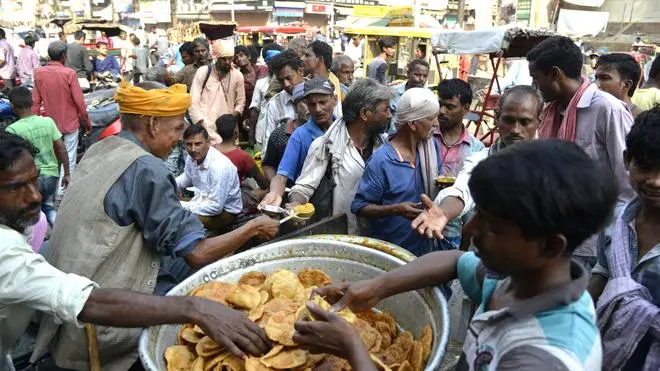
One of the strongest advantages of food charity is clarity of outcomes:
- Cost per meal
- Number of beneficiaries
- Nutrition delivered
- Region covered
- Attendance increase in schools
Unlike abstract causes, hunger relief is quantifiable.
For example, networks such as Feeding America demonstrate how every dollar can be converted into multiple meals. This level of transparency improves donor trust and campaign conversion rates.
3. Nutrition Directly Impacts Learning and Economic Growth
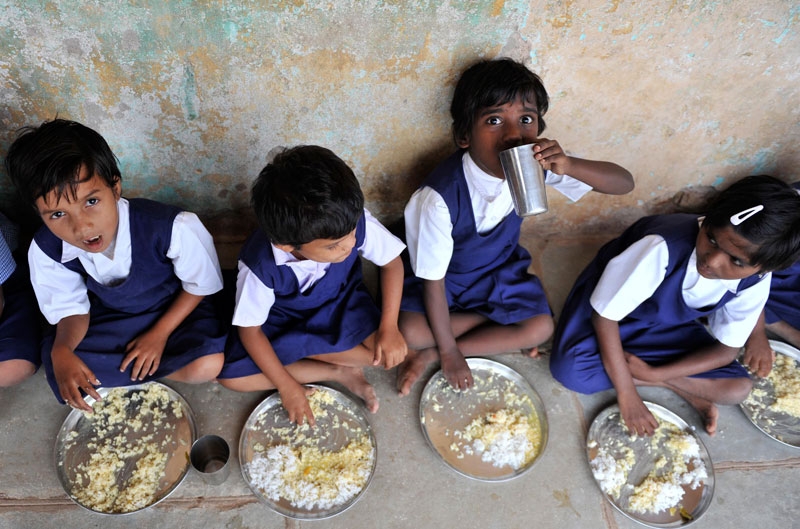
Malnutrition reduces:
- Memory retention
- Concentration
- Physical energy
- School attendance
A fed child performs better academically.
Academic improvement leads to higher earning potential.
Feeding hunger is therefore an investment in human capital development, not just survival support.
4. Hunger Relief Generates High Social Return on Investment (SROI)
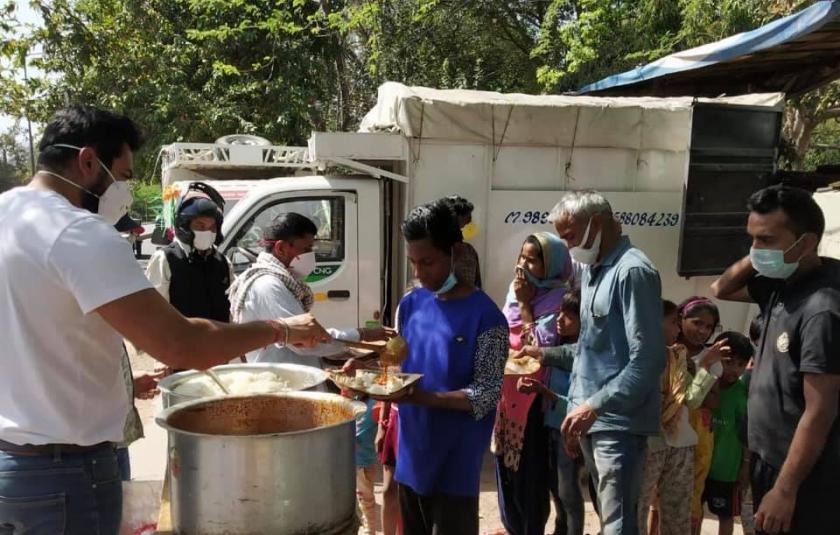
Hunger intervention reduces:
- Emergency healthcare expenses
- Dropout rates
- Long-term poverty cycles
- Crime linked to economic distress
By preventing escalation into deeper social issues, feeding programs create compounding returns.
This is strategic philanthropy, not symbolic giving.
5. Hunger Exists in Every Region — Including India
Food insecurity is not limited to rural poverty. It affects:
- Urban low-income families
- Migrant labor households
- Children in informal settlements
- Disaster-affected communities
Hunger relief is geographically scalable and socially neutral. It cuts across religion, politics, and class.
That universality strengthens donor alignment.