Why Slum Parents Don’t Send Kids to School – The Real Reasons
Why don’t slum children go to school? It’s not neglect, it’s survival. Discover the real struggles slum parents face and the solutions that can change lives.

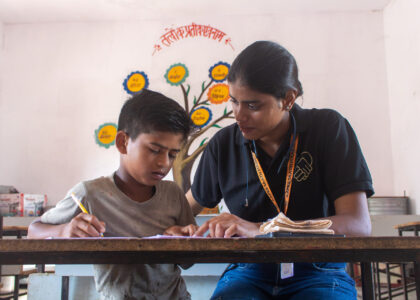
Why don’t slum children go to school? It’s not neglect, it’s survival. Discover the real struggles slum parents face and the solutions that can change lives.
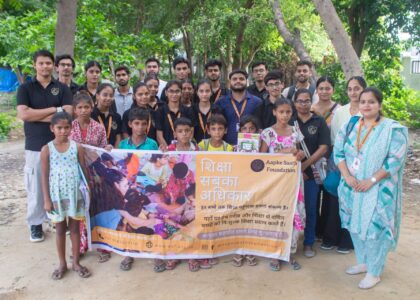
Slum education needs more than just textbooks—it needs life skills. While ABCs and math are essential, children living in slums also face real-world dangers like abuse, peer pressure, and emotional stress. This article by Aapke Saath Foundation explores how teaching life skills such as safety awareness, communication, decision-making, and emotional control can empower slum children to survive, thrive, and dream beyond their circumstances.

India’s slum children often miss out on basic education that meets their real-life needs. This article explores a practical, life skills-based curriculum designed to empower underprivileged kids with literacy, hygiene, confidence, and digital knowledge giving them tools to survive and thrive in their own communities.

Girls’ education is a powerful tool to prevent child marriage and create brighter futures. Educated girls are more likely to delay marriage, gain financial independence, improve health outcomes, and challenge harmful cultural norms. Learn how education empowers girls and breaks the cycle of poverty and early marriage

Early childhood education in India plays a vital role in cognitive, social, emotional, and physical development. With 90% of brain growth happening before age 5, quality ECE builds a strong foundation for lifelong success. However, limited access, financial barriers, and quality issues remain key challenges.

How Innovative Learning Helps Underprivileged Children Education is the key to unlocking potential, yet millions of underprivileged children struggle to access quality learning opportunities. According

Explore the top government schemes for girl education in India, empowering girls with financial aid, scholarships, and quality education opportunities.

Child education is key to breaking the poverty cycle, promoting gender equality, and driving societal progress. Invest in quality education for a brighter future.

Main Barriers to Girls’ Education in India
1. Cultural and Social Norms
2. Economic Constraints
3. Infrastructure and Accessibility
4. Safety and Security Concerns
5. Educational Quality and Relevance

Girls’ literacy in India has progressed, yet challenges remain. We promotes girls’ education through awareness, resources, and infrastructure support.